

The Ghana Revenue Authority (GRA) has reiterated its push to bring informal sector operators into the tax net, with a senior official explaining the modified taxation scheme as the authority’s primary tool for reaching individuals who fall below the standard VAT registration threshold.
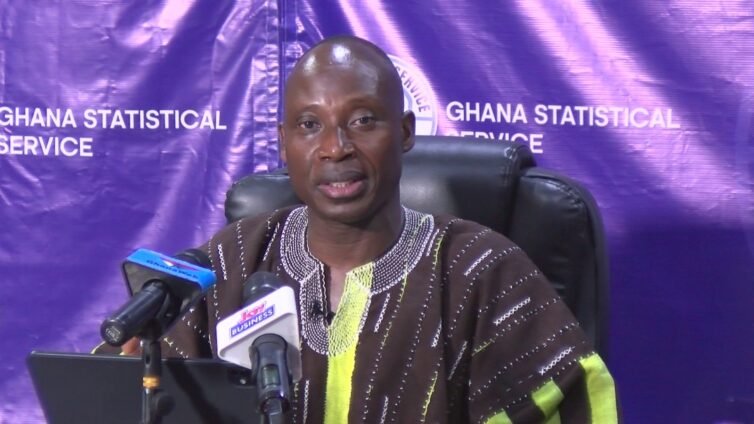
Dr. Dominic Naab, Acting Deputy Commissioner for Strategy and Research and Head of VAT Administration at GRA, made the comments during the first edition of the GRA Connect Radio Show on Joy FM’s Super Morning Show, where he also traced the origins of the authority back to its 2009 establishment under Act 791 of Parliament.
Before GRA was created, Ghana’s revenue collection was split across three separate agencies: the Internal Revenue Service, the VAT Service, and the Customs and Excise Preventive Service. Dr Naab said the fragmented structure created inefficiencies and quiet rivalry between institutions that should have been working together.
“There was that subtle competition instead of collaboration,” he said. “It was thought that if they came together as one, then there would be synergy and reduction or elimination of duplicated services.”
On the informal sector, Dr Naab acknowledged that taxing individuals in that space had proven difficult, but said GRA was not prepared to leave them outside the system.
“They are making income, but they have to be taxed anyway,” he said. “The modified taxation basically are persons whose turnover are so small that we still would want them to actually contribute.”
He clarified that the scheme applies only to individuals, including sole proprietors who do not file accounts with the Registrar of Companies, and not to registered companies, which remain subject to the standard corporate tax framework.
Source: myjoyonline.com