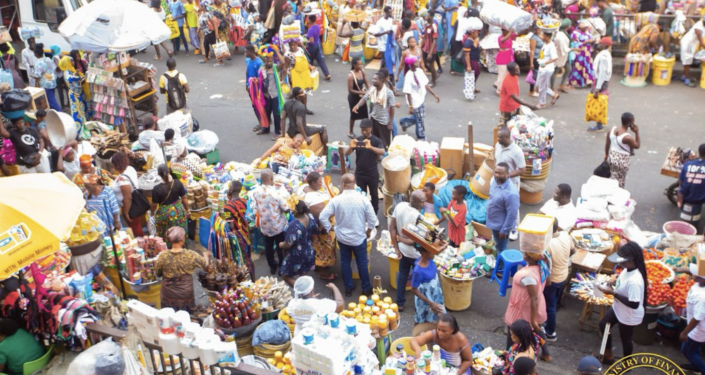

Ghana’s inflation rate slowed to 4.6% in July, marking the first monthly decline after three consecutive increases.
This signals a renewed easing in consumer price pressures across the economy.
The latest figures released by the Ghana Statistical Service (GSS) show headline inflation fell by 0.7 percentage points, from 5.3% in June to 4.6% in July.
The decline suggests that while prices continue to rise, they are doing so at a slower pace, offering some relief to households and businesses grappling with the cost of living.
It also reinforces expectations that inflation could remain comfortably within the Bank of Ghana’s medium-term target band of 8 ± 2 percent, provided current macroeconomic conditions are sustained.
The moderation in inflation was driven by slower price increases across both food and non-food categories.
Food inflation declined to 3.1% in July from 3.9% in June, while non-food inflation eased marginally to 6.1%, compared with 6.3% a month earlier.
The data also show an easing in services inflation, which fell to 8.5 percent from 9.4 percent in June, reflecting slower increases in the cost of services.
Meanwhile, inflation for locally produced goods stood at 5.9%, significantly higher than the 2.0% recorded for imported items.
The relatively lower inflation for imported goods points to reduced external price pressures, supported in part by recent stability in the Ghana cedi and softer global inflation trends.
Government Statistician Dr. Alhassan Iddrisu said food and non-alcoholic beverages remained the single largest contributor to headline inflation, accounting for 32.4% of overall price movements across the 13 divisions of the Consumer Price Index.
The report also highlighted notable regional disparities in inflation.
The North East Region recorded the highest inflation rate at 10.8%, while the Bono East Region registered the lowest at -3.8%, indicating that prices in the region were, on average, lower than they were during the same period last year.
The latest inflation figures add to signs of improving macroeconomic stability, with moderating price pressures expected to support consumer purchasing power, improve business confidence and provide greater certainty for investment decisions.
If the downward trend in inflation is sustained alongside exchange rate stability and prudent fiscal management, it could strengthen the case for further monetary policy easing in the months ahead, potentially reducing borrowing costs and supporting economic growth.
Source: citinewsroom.com